
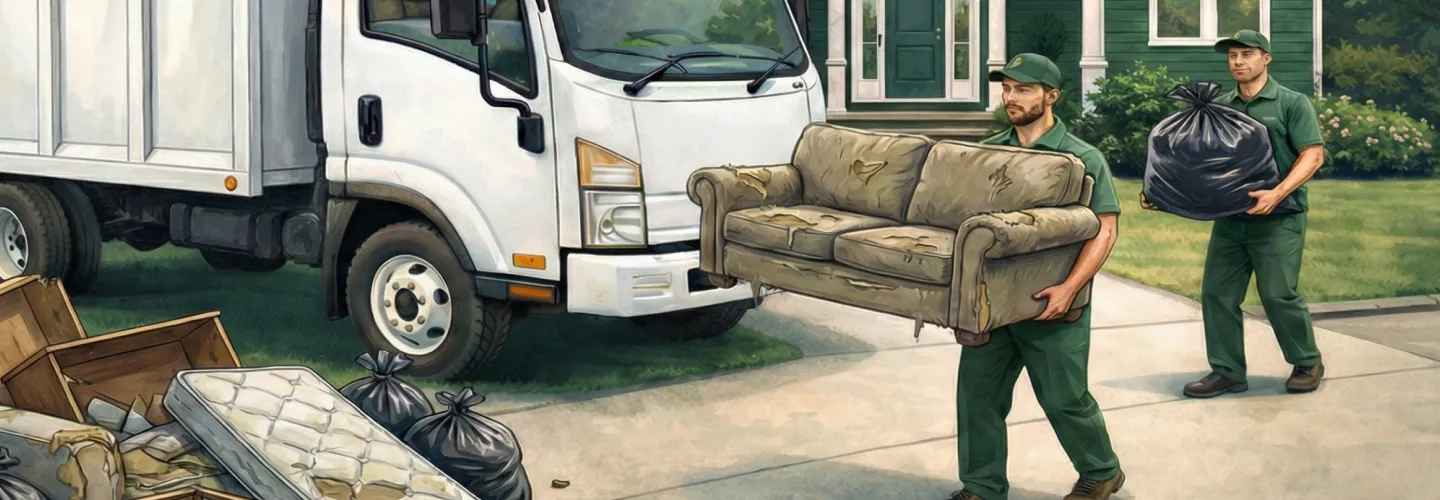
Norfolk Hoarding Cleanup Services
Choose our Hoarding Cleanup service for discreet, respectful, and thorough support—restoring safety, comfort, and peace of mind to your home with experienced professionals who truly care.
Get a Free QuoteOur Norfolk Junk Removal Services
Hoarding Cleanup in Norfolk, MA – Local Service Guide
Hoarding cleanup in Norfolk, MA requires a sensitive, professional approach tailored to the unique needs of local residents and businesses. In neighborhoods like Medway Branch and the Town Center, residential hoarding often surfaces after major life events, seasonal cleanouts, or property transitions. Items such as old furniture, mattresses, and appliances are commonly addressed during spring and fall, when weather and access are optimal. Local disposal options include donation centers, recycling facilities, and municipal waste services, but large or bulky items may require special pickup or coordination due to Norfolk’s rural roads and variable weather.
For residential spaces like garages, basements, and yards, cleanup is often driven by storm preparation, flooding risks near Stop River, or annual yard cycles. Commercial properties in areas like Main Street or the industrial park face industry-specific challenges—restaurants and offices may need discreet, after-hours service to minimize disruption, while property managers and construction sites require efficient, large-volume removal. Specialty cleanups, such as for foreclosures or estates, demand careful planning and coordination with local authorities. For more on local rules and resources, visit the official Norfolk town website.
Benefits of Hoarding Cleanup in Norfolk
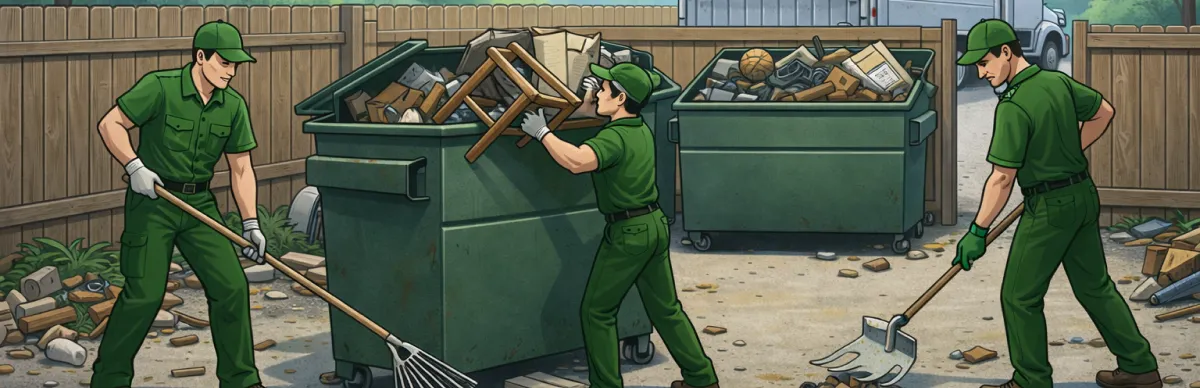
Professional and Compassionate Team
Discreet and Confidential Service
Thorough Property Restoration
Fast Response Times
Safe Removal of Hazardous Materials
Customized Cleanup Solutions
Coordinating Hoarding Cleanup with Norfolk’s Department of Public Works and Solid Waste Programs
Hoarding cleanup in Norfolk, MA requires close coordination with the Department of Public Works (DPW) to ensure compliance with municipal solid waste management protocols. The DPW oversees bulk trash collection, which is scheduled monthly on the first Monday; residents must call at least 48 hours in advance to arrange pickup. The Norfolk Transfer Station, located at 33 Medway Branch Road, operates Monday through Saturday from 7:00 AM to 5:00 PM and requires a valid resident permit for access. Disposal fees are typically $35 per ton, with a $10 minimum charge. Key requirements include:
- Advance scheduling for bulk item pickup (call DPW 48 hours ahead)
- Proper item preparation: items must be curbside by 6:00 AM, no plastic bags
- Transfer station access: resident permit and ID required
- Volume limits: maximum 2 cubic yards or 200 pounds per pickup
- Prohibited items: hazardous waste, electronics, and certain appliances
Department of Public Works
1 Liberty Lane, Norfolk, MA 02056
Phone: (508) 528-5020
Official Website: Department of Public Works
Navigating Norfolk Code Enforcement and Health Department Regulations for Hoarding Cases
Norfolk enforces strict property maintenance codes to address health and safety risks associated with hoarding. The Board of Health and Code Enforcement Division may issue abatement orders if hoarding conditions pose fire, sanitation, or structural hazards. Residents must comply with local ordinances, including:
- Building access: clear egress routes required for emergency personnel
- Permit requirements: demolition or renovation debris may require a building permit
- Biohazard handling: contaminated materials must be managed per state and federal guidelines
- Noise and operating hours: cleanup activities limited to 7:00 AM–7:00 PM
- Inspection protocols: properties may be subject to inspection before and after cleanup
Board of Health
1 Liberty Lane, Norfolk, MA 02056
Phone: (508) 528-7747
Official Website: Board of Health
Ensuring Environmental Compliance: Massachusetts Solid Waste Laws and Recycling Mandates
Massachusetts law prohibits the disposal of certain materials in landfills, including electronics, mattresses, and hazardous waste. The Massachusetts Department of Environmental Protection (MassDEP) enforces these bans and requires proper recycling or disposal. For hoarding cleanup in Norfolk, compliance steps include:
- E-waste ban: CRTs, TVs, and computers must be recycled at designated facilities
- Mattress disposal: recycling required; check local drop-off options
- Hazardous waste: paint, chemicals, and batteries must go to Household Hazardous Waste events
- Appliance regulations: refrigerant removal required before disposal
- Documentation: maintain records of disposal and recycling for inspection
Massachusetts Department of Environmental Protection
Boston, MA
Phone: (617) 292-5500
Official Website: Massachusetts Department of Environmental Protection
Material Sorting, Special Handling, and Transfer Station Requirements in Norfolk
Proper material sorting is essential during hoarding cleanup to comply with Norfolk’s transfer station rules and state landfill bans. The transfer station accepts household debris, furniture, and non-hazardous materials, but enforces strict separation and handling protocols:
- Separate recyclables: cardboard, metal, and electronics must be sorted
- Hazardous items: not accepted; use regional hazardous waste facilities
- Bulk items: mattresses and appliances require special drop-off procedures
- Weight and volume limits: loads exceeding 2 cubic yards may incur additional fees
- Proof of residency: bring a valid ID or utility bill for access
Building Department
1 Liberty Lane, Norfolk, MA 02056
Phone: (508) 528-5088
Official Website: Building Department
What Neighborhoods Do We Serve Throughout Norfolk, MA?
- Town Center: Features a mix of historic homes and newer developments. Narrow streets and limited parking require advance planning for truck access and may necessitate smaller vehicles for debris removal.
- Pondville: Predominantly single-family residences with larger lots. Driveway access is generally available, but older homes may contain lead paint or asbestos, requiring specialized handling.
- Medway Branch: Suburban neighborhood with cul-de-sacs and wide driveways, allowing for easier placement of dumpsters and equipment. HOA notification may be required for exterior work.
- Highland Lake: Lakeside properties often have steep driveways and limited street width, making access for large vehicles challenging. Environmental sensitivity is a concern due to proximity to water.
- Valley Street Area: Multi-family buildings and rental units are common, leading to higher turnover and frequent cleanouts. Coordination with property managers is essential for scheduling and access.
- Campbell Street Corridor: Older homes with small lots and mature trees may limit overhead clearance for trucks. Advance site assessment is recommended to avoid utility conflicts.
- North Norfolk: Rural area with long driveways and soft ground conditions, especially in spring. Site assessment is needed to prevent damage to septic systems and landscaping.