
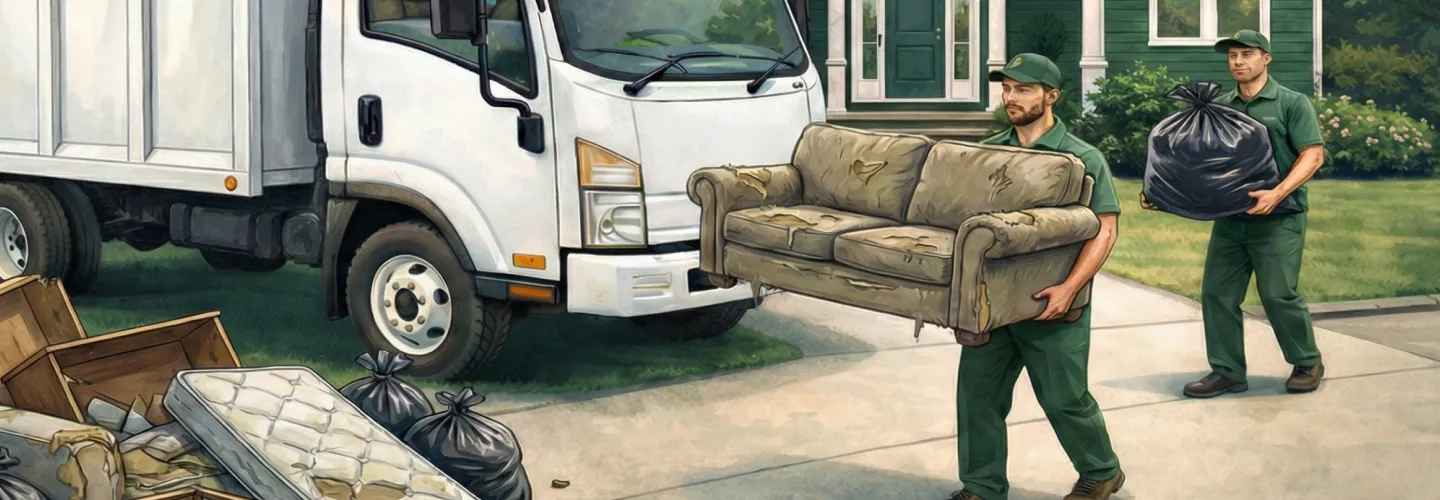
Norfolk Foreclosure Clean Outs Services
Choose our Foreclosure Clean Outs for efficient, thorough, and stress-free property cleanups—restoring homes quickly so you can move forward with confidence.
Get a Free QuoteOur Norfolk Junk Removal Services
Foreclosure Clean Outs in Norfolk, MA – Local Service Guide
Foreclosure clean outs in Norfolk, MA require a tailored approach, given the town’s mix of residential neighborhoods like Medway Branch and commercial hubs near Main Street. For residential items—such as furniture, appliances, or hot tubs—clean outs often follow life changes, seasonal upgrades, or property turnovers. Local options include donation, recycling, or responsible disposal, with logistics shaped by driveway access, weather, and item size. In spaces like garages or basements, spring and fall are peak times for clean outs, especially after storms or during yard waste cycles. Flood-prone areas near Stop River may need more frequent attention. Commercial properties—offices, restaurants, and retail spaces—face unique needs, often requiring discreet, after-hours service and handling larger volumes, especially in business districts. Specialty clean outs, such as for foreclosures or estates, demand careful planning, coordination with property managers, and compliance with Norfolk’s local regulations. For more on local rules and resources, visit the official Norfolk town website.
Key Considerations for Foreclosure Clean Outs in Norfolk
- Timing clean outs to avoid peak weather or local events
- Securing necessary permits for large-scale removals
- Choosing proper disposal or recycling channels
- Ensuring easy access for trucks and crews
- Estimating volume and category-specific requirements
- Coordinating with local authorities and property managers
Benefits of Foreclosure Clean Outs in Norfolk
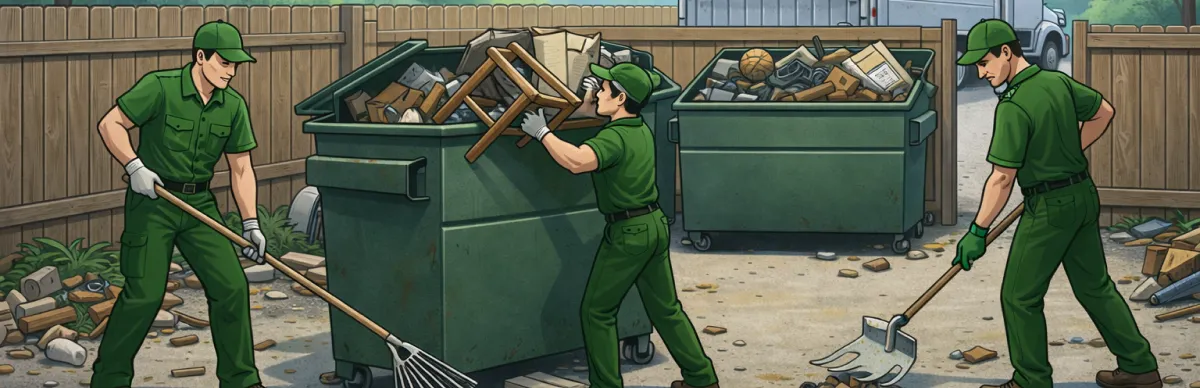
Fast Turnaround Times
Comprehensive Property Cleaning
Experienced Clean Out Professionals
Eco-Friendly Disposal Solutions
Flexible Scheduling Options
Competitive and Transparent Pricing
Coordinating Foreclosure Clean Outs with Norfolk’s Department of Public Works and Solid Waste Programs
Foreclosure clean outs in Norfolk, MA require strict adherence to municipal solid waste management protocols. The Department of Public Works (DPW) oversees bulk waste collection, transfer station access, and disposal fees. Residents and contractors must schedule bulk item pickups in advance, with a limit of two cubic yards per collection and items placed curbside by 7:00 AM on the scheduled day. The Norfolk Transfer Station, located at 33 Medway Branch, operates Monday through Saturday from 8:00 AM to 4:00 PM and requires a valid resident permit for entry. Fees are assessed by volume, with a minimum charge of $10 per load. Prohibited items include hazardous waste, electronics, and certain appliances. For large-scale clean outs, commercial haulers must be licensed by the town.
- Schedule bulk pickups at least 48 hours in advance
- Transfer station access requires proof of residency
- Fees: $10 minimum, additional charges by volume
- Prohibited items: hazardous waste, electronics, select appliances
- Licensed haulers required for commercial clean outs
Department of Public Works
1 Liberty Lane, Norfolk, MA 02056
Phone: (508) 528-5020
Official Website: Department of Public Works
Ensuring Environmental Compliance: Massachusetts Solid Waste Laws and Local Landfill Bans
All foreclosure clean outs in Norfolk must comply with Massachusetts solid waste regulations, including strict landfill bans on certain materials. The Massachusetts Department of Environmental Protection (MassDEP) enforces bans on electronics, mattresses, appliances containing refrigerants, and mercury-added products. Violations can result in fines of $100–$500 per incident. Residents must separate recyclable materials and hazardous waste from general debris. Electronics and mercury products must be brought to designated recycling events or facilities. Appliances require certified refrigerant removal before disposal. Paints, chemicals, and batteries are accepted only at regional household hazardous waste events, typically held quarterly.
- Electronics and CRTs: banned from landfill, recycle at approved centers
- Mattresses: must be recycled, not landfilled
- Appliances: refrigerant removal required
- Hazardous waste: accepted at special events only
- Fines: $100–$500 for improper disposal
Massachusetts Department of Environmental Protection
One Winter Street, Boston, MA 02108
Phone: (617) 292-5500
Official Website: Massachusetts Department of Environmental Protection
Navigating Permit, Access, and Code Enforcement Requirements for Norfolk Foreclosure Clean Outs
Proper permitting and code compliance are essential for foreclosure clean outs in Norfolk. Large removal vehicles may require right-of-way permits if parked on public streets, with applications submitted to the DPW at least five business days in advance. Building access for debris removal must comply with local code enforcement, especially in multi-family or historic properties. Renovation or demolition debris may require a building permit from the Building Department. Operating hours for removal activities are restricted to 7:00 AM–7:00 PM to comply with noise ordinances. Homeowners’ associations (HOAs) may impose additional restrictions on waste placement and truck access.
- Right-of-way permits: required for street parking of removal vehicles
- Building permits: needed for renovation/demolition debris
- Code enforcement: regulates access and debris staging
- Operating hours: 7:00 AM–7:00 PM
- HOA approval: may be required in certain neighborhoods
Building Department
1 Liberty Lane, Norfolk, MA 02056
Phone: (508) 528-5088
Official Website: Building Department
Recycling and Material Recovery Programs for Foreclosure Clean Outs in Norfolk
Norfolk supports several recycling and material recovery initiatives relevant to foreclosure clean outs. The town participates in the state’s electronics landfill ban, requiring all e-waste to be recycled at approved drop-off events or facilities. Mattresses and box springs must be recycled, with drop-off available at the transfer station for a nominal fee. Appliances containing refrigerants must be processed by a certified technician before acceptance. Scrap metal, clean wood, and cardboard are accepted for recycling at the transfer station. Donation of reusable furniture and household goods is encouraged through local charities.
- E-waste: recycle at town events or regional centers
- Mattresses: drop-off at transfer station, recycling fee applies
- Appliances: refrigerant removal required
- Scrap metal and cardboard: accepted at transfer station
- Furniture donation: coordinate with local charities
Health Department
1 Liberty Lane, Norfolk, MA 02056
Phone: (508) 528-7747
Official Website: Health Department
What Neighborhoods Do We Serve Throughout Norfolk, MA?
- Town Center: Features a mix of historic homes and small businesses. Narrow streets and limited parking require advance scheduling for removal vehicles and may necessitate right-of-way permits.
- Pondville: Predominantly single-family homes with larger lots. Driveway access is generally available, but older properties may contain lead paint or asbestos, requiring specialized handling.
- Medway Branch: Suburban neighborhood with newer construction. Wide streets and ample parking facilitate easy access for trucks, but HOA rules may restrict curbside debris placement.
- Valley Street Area: Includes multi-family residences and rental properties. Stairwell-only access and limited curb space can complicate large item removal; elevator reservations may be needed.
- Highland Lake: Lakeside homes with private roads. Soft ground conditions and narrow driveways may require smaller vehicles and careful planning to avoid property damage.
- Boardman Street Corridor: Mix of commercial and residential buildings. Coordination with business owners and adherence to commercial waste regulations are essential for compliance.
- Seekonk Street: Rural area with long driveways and limited municipal services. Residents may need to self-haul debris to the transfer station and verify septic tank locations before heavy vehicle access.